Gut Health 101: Feeding Your Microbiome for Better Energy and Mood
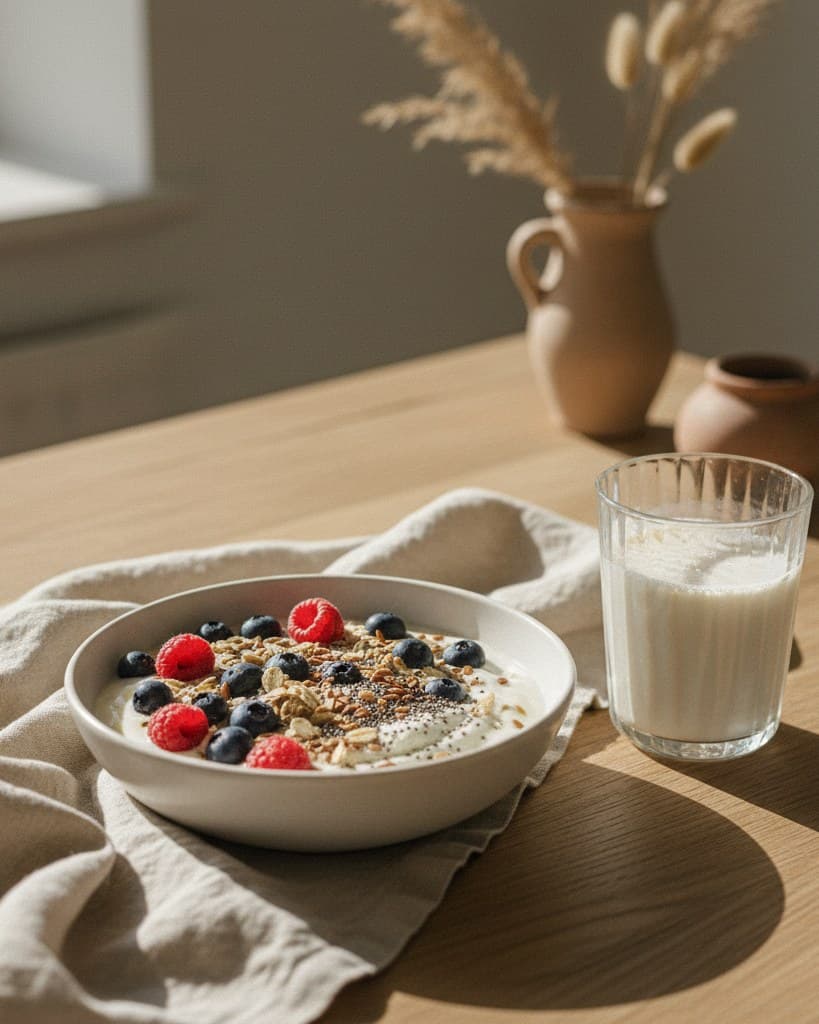
Your gut affects your energy, mood and immunity more than you think. Here is a clear, practical guide to feeding your microbiome well, no fads required.
Your gut has quietly become one of the most talked-about parts of the body, and for good reason. Inside your digestive system lives a vast community of trillions of microbes, your microbiome, and the more we learn about it, the more central it appears to be to how you feel day to day. Your energy, your mood, your immune system and far more are all shaped by these tiny residents. The encouraging part is that you feed and influence them with every meal.
What the microbiome actually does
Think of your gut microbiome as a busy internal ecosystem, mostly bacteria, doing work your body cannot do alone. These microbes help break down food, produce certain vitamins, train your immune system, and even make chemicals that influence your brain. A large share of your serotonin, a key mood molecule, is produced in the gut, which is part of why a troubled gut and a low mood so often travel together.
A healthy microbiome is above all a diverse one. A wide range of different microbes makes for a resilient, well-functioning system, while a narrow, depleted one is linked to all sorts of problems. The single most useful goal, then, is to encourage diversity, and you do that mainly through what you eat.
Feed them fibre and plants
Your gut bacteria feed on fibre, the parts of plants your body cannot digest itself. When they ferment this fibre, they produce beneficial compounds that nourish your gut lining and calm inflammation. This is why a diet rich and varied in plants is the foundation of gut health, full stop.
The watchword is variety. Different microbes thrive on different plant fibres, so the wider the range of plants you eat, the broader and healthier your microbiome becomes. This is the thinking behind aiming for many different plants across a week, counting every vegetable, fruit, wholegrain, bean, nut, seed, herb and spice. You do not need exotic ingredients, just variety, swapping in different plants rather than eating the same few on repeat.
Add fermented foods
Beyond feeding your existing microbes, you can introduce helpful ones directly through fermented foods. Live yoghurt, kefir, sauerkraut, kimchi, miso and other traditionally fermented foods contain live bacteria that can support your gut community. Adding a small amount regularly, a spoon of sauerkraut with lunch, a glass of kefir, live yoghurt at breakfast, is an easy, time-tested way to diversify what is in there.
Start gently if these are new to you, as your gut takes a little time to adjust, and build up slowly.
The things that deplete it
It is worth knowing what works against a healthy gut, too. A diet heavy in ultra-processed foods and low in fibre starves your good microbes. Chronic stress disrupts the gut directly through the close two-way link between gut and brain. Poor sleep, and antibiotics when they are genuinely needed, also take a toll. You cannot avoid all of these, but being aware lets you offset them, leaning into plants, rest and stress care when life has been hard on your gut.
Be patient and kind
Your microbiome responds to change reasonably quickly, but building lasting diversity is a gradual project, not a quick fix. Ignore the expensive powders and dramatic cleanses promising overnight transformation. The real work is humbler and far more reliable, eating a wide range of plants, adding some fermented foods, managing stress and sleeping well.
Look after this inner ecosystem and it tends to repay you generously, with steadier energy, a brighter mood and a body that simply works better from the inside out.