Why Pilates Beats Endless Cardio for a Strong, Lean Core
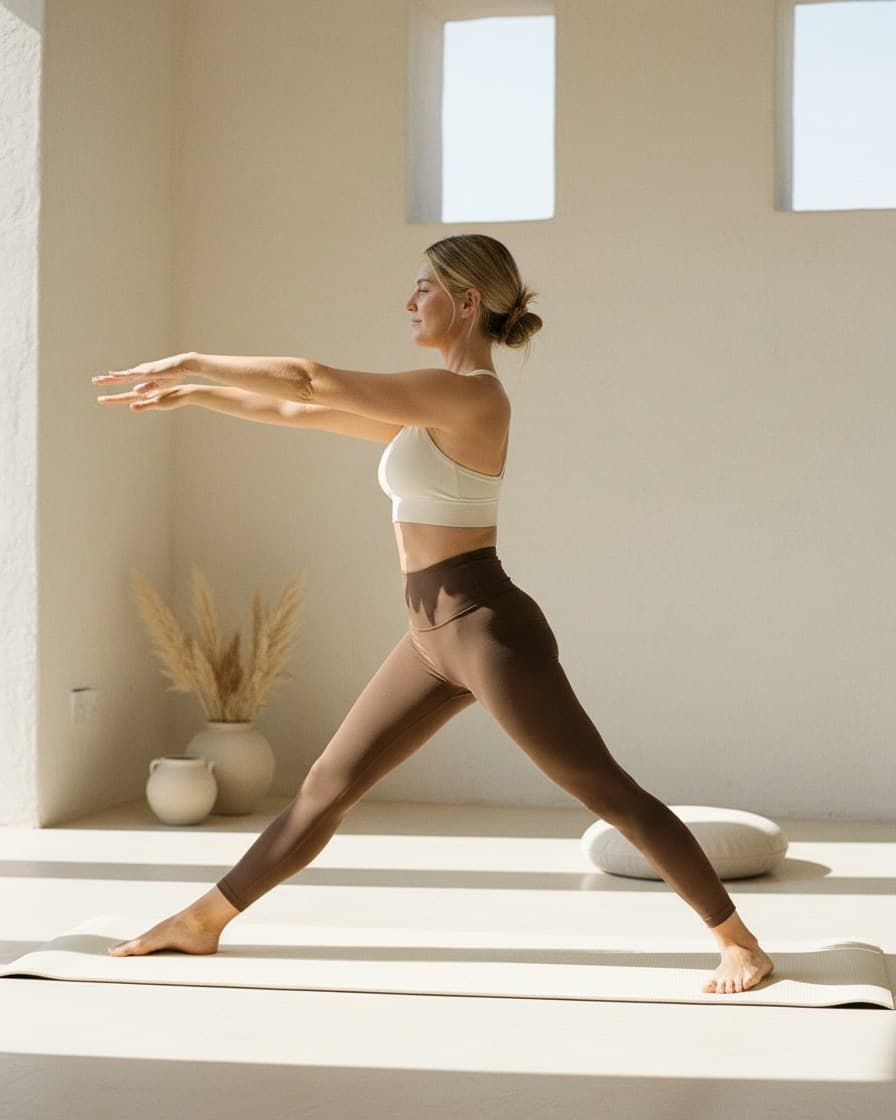
Endless sit-ups and cardio are not the fast track to a strong core. Here is why Pilates builds deep core strength that actually changes how you move.
If your idea of core work is a punishing set of sit-ups or another long run in pursuit of a flatter middle, this one is for you. The truth that the fitness world is slowly catching up to is that a strong core is built less through exhaustion and more through control. And control is exactly what Pilates is built on.
Let us clear something up first. You cannot spot-reduce fat from your belly with any exercise, cardio or otherwise. What you can do is build a deep, functional core that supports your spine, improves your posture and changes how strong you feel in everything you do. That is a far more valuable goal than chasing a look, and it is where Pilates quietly outperforms.
Your core is more than a six-pack
When most people think core, they think of the muscle on the front, the one that shows. But your core is a whole cylinder. It includes the deep transverse abdominis that wraps around you like a corset, the muscles along your spine, your pelvic floor and your diaphragm. These deep muscles are the ones that stabilise you, protect your lower back and let you move with power and ease.
Endless crunches mostly train the surface muscle while neglecting the deep stabilisers. Cardio is wonderful for your heart and your mood, but it is not a core-strengthening tool in any meaningful way. Pilates, by contrast, was designed from the ground up to train the core as the centre of all movement, what Joseph Pilates called the powerhouse.
Control over quantity
The magic of Pilates is in the quality of each movement. Rather than rushing through a hundred reps, you perform fewer, slower, more precise movements that demand the deep muscles switch on and stay on. A single well-executed Pilates exercise can challenge your core more than dozens of sloppy crunches, because there is nowhere to hide and no momentum to borrow.
This control is also why Pilates is so kind to your back. Instead of repeatedly flexing the spine the way sit-ups do, much of Pilates trains the core to hold the spine stable and strong, which is exactly what it needs to do in real life when you lift, carry, reach and bend.
Strength you can feel everywhere
The thing people notice after a few weeks of consistent Pilates is rarely just their stomach. It is that they stand taller. Their back aches less. They feel more solid going up stairs, more balanced, more in control of their body. That is deep core strength translating into daily life, and no amount of cardio delivers it in the same way.
None of this means you should abandon cardio. Your heart loves it, your mood loves it, and movement that raises your heart rate is genuinely good for you. The point is simply that if a strong, stable, capable core is the goal, cardio is the wrong tool and the slow, deliberate work of Pilates is the right one.
Where to begin
Start with the foundations. Learn to engage your deep core gently, to breathe into the work rather than holding your breath, and to value precision over speed. A handful of well-practised moves, done consistently a few times a week, will take you further than the longest, sweatiest session done without control.
Your core is the centre of everything you do. It deserves to be trained with intention, not just exhausted. That is the whole philosophy behind Pilates, and it is why it has outlasted nearly every fitness trend that has come and gone.