Training With Your Cycle: How to Move in Tune With Your Hormones
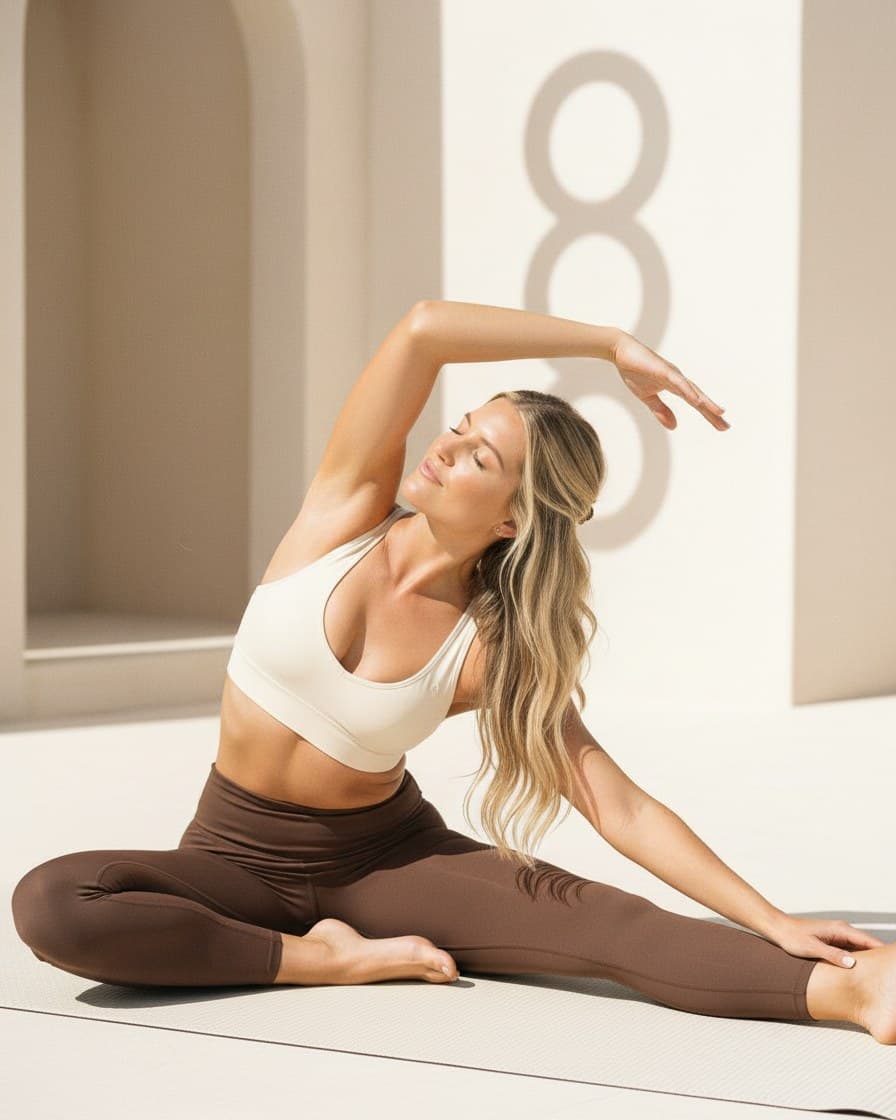
Your energy, strength and recovery shift across your menstrual cycle. Here is a simple, kind guide to working with your hormones rather than against them.
Have you ever wondered why a workout that felt easy one week leaves you wiped out the next, even though nothing else has changed? For those who menstruate, part of the answer lies in the hormonal tide that rises and falls across the month. Learning to read it can take a lot of the frustration out of training, and replace it with a sense of working with your body rather than battling it.
A quick honesty note first. The research here is still developing, and every body is different. This is not a set of rules to follow to the letter, it is a lens to help you make sense of your own energy. The best plan is always the one that listens to how you actually feel.
The four phases, briefly
Your cycle has four rough phases, and the hormones oestrogen and progesterone shift through each.
During your period, hormones are at their lowest. Energy can be low too, though many find gentle movement eases cramps and lifts the mood. This is a week for kindness, not pressure.
In the follicular phase, the week or so after your period, oestrogen climbs. Energy, strength and motivation often rise with it. Many people feel at their most capable here, so it can be a great time to push a little, try something new or build strength.
Around ovulation, oestrogen peaks. You may feel strong and sociable, energy at its highest. A lovely window for a harder session or a class with others.
In the luteal phase, the stretch before your period, progesterone rises and energy often dips. Your body temperature runs a touch higher, recovery takes longer, and lower-intensity movement tends to feel better. This is a phase for steadiness rather than intensity.
What this looks like in practice
You do not need to overhaul your week. Small adjustments are enough. When energy is high, lean into strength work, Pilates with a bit more challenge, or anything that asks more of you. When energy dips, favour gentler flows, mobility, walking and restorative movement.
The most useful thing you can do is simply notice. Keep a loose note of how each workout felt alongside where you are in your cycle. After a couple of months a pattern usually emerges, and it is often more personal than any chart can predict.
Letting go of the all-or-nothing mindset
The real gift of cycle awareness is that it dismantles guilt. A low-energy day in your luteal phase is not laziness or a lack of willpower, it is biology. Resting then is not falling behind, it is training intelligently. Equally, a burst of strength after your period is something to enjoy and use, not to feel you must sustain all month.
Movement should rise and fall with you. Some weeks ask for effort, others ask for ease, and a body that gets both tends to be a healthier, happier one. Tuning into your cycle is simply one more way of treating your body as the long-term project it is, worthy of attention, patience and care.
If your cycle brings symptoms that genuinely disrupt your life, that is always worth raising with your GP. Working with your hormones should make movement feel kinder, never harder.